
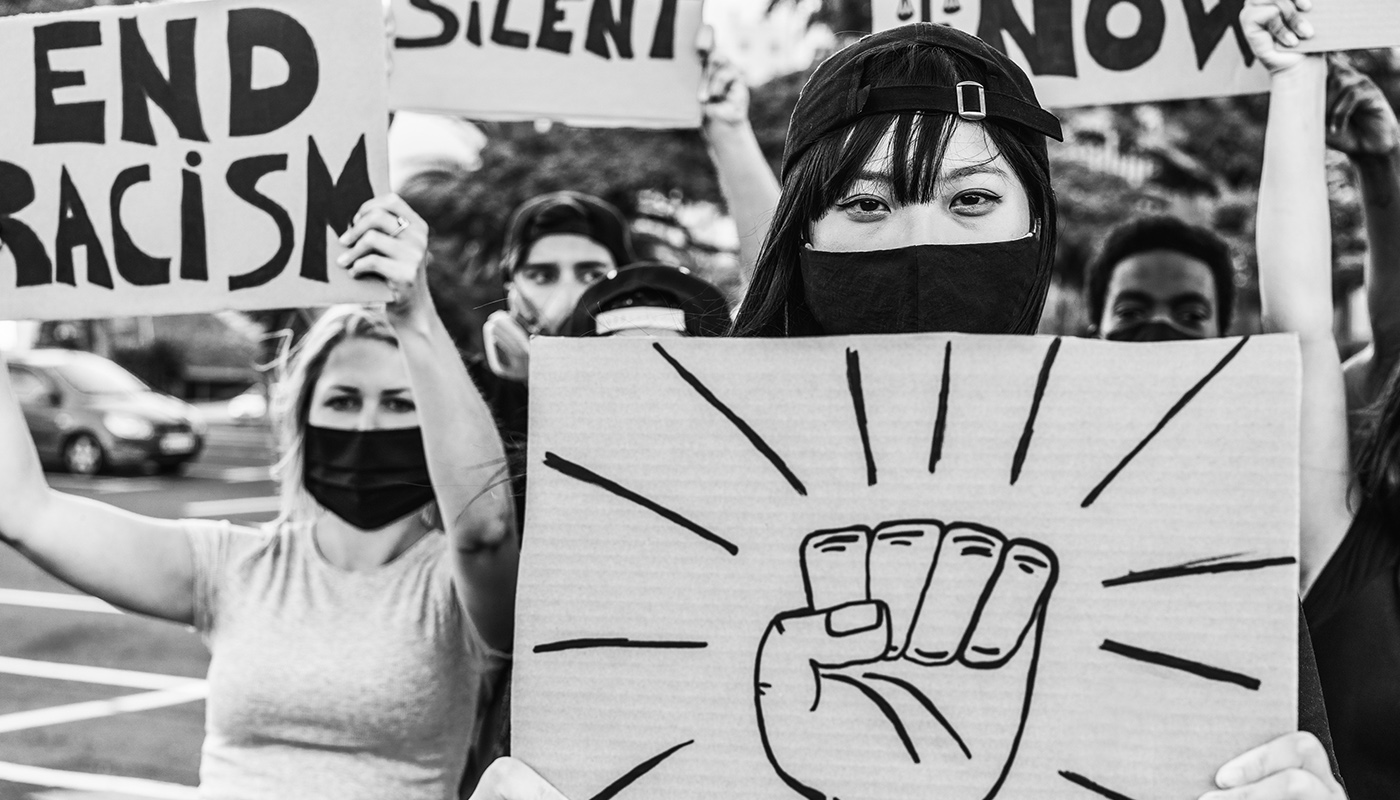
Ideas against racial inequality developed over many centuries. Anti–racism history includes early criticism of colonial violence, campaigns against slavery, scientific arguments about human equality, civil rights struggles, and later public movements. The language changed with time, but the central question stayed similar–whether people should lose rights, freedom, or dignity because of race or origin.
Early Roots of Anti–Racism History
Some early criticism appeared during European colonization of the Americas. In 1511, Dominican friar Antonio de Montesinos openly criticized Spanish authorities in Hispaniola for cruel treatment of Indigenous people and enslaved workers.
Another question appeared around the rights of Indigenous people. In 1537, Pope Paul III said that Indigenous people and other peoples were rational human beings. He also said they had rights to freedom and private property. This did not stop colonial rule, and unequal treatment continued for a long time. But the statement was still an early example of people openly saying that Indigenous communities should not be treated as less human or be denied basic rights.
Religious opposition to slavery
In 1688, German immigrants in Pennsylvania prepared a petition against slavery. Quaker communities later became active in anti–slavery work. John Woolman and Anthony Benezet encouraged other Quakers to free enslaved people and move away from the Atlantic slave trade.
By 1783, hundreds of Quakers presented a petition to the British Parliament against British participation in the slave trade. In 1787, abolitionists formed a committee that worked politically for abolition. Religious belief and ideas about equal human value became connected with organized public pressure.
Abolitionism and Wider Equality
Gradually the campaign against slavery became a major public movement in Britain and the United States. Not all abolitionists thought the same way about race. Some wanted to end slavery but didn’t accept full equality for Black and white people. Others were more direct–no person should live as property of another person, and freedom should not be dependent on skin color.
Black abolitionists were part of this fight, not just people on the outside talking about it. Frederick Douglass wrote and spoke about slavery, freedom, and equal rights for Black people in America. John Brown took a much more radical line.
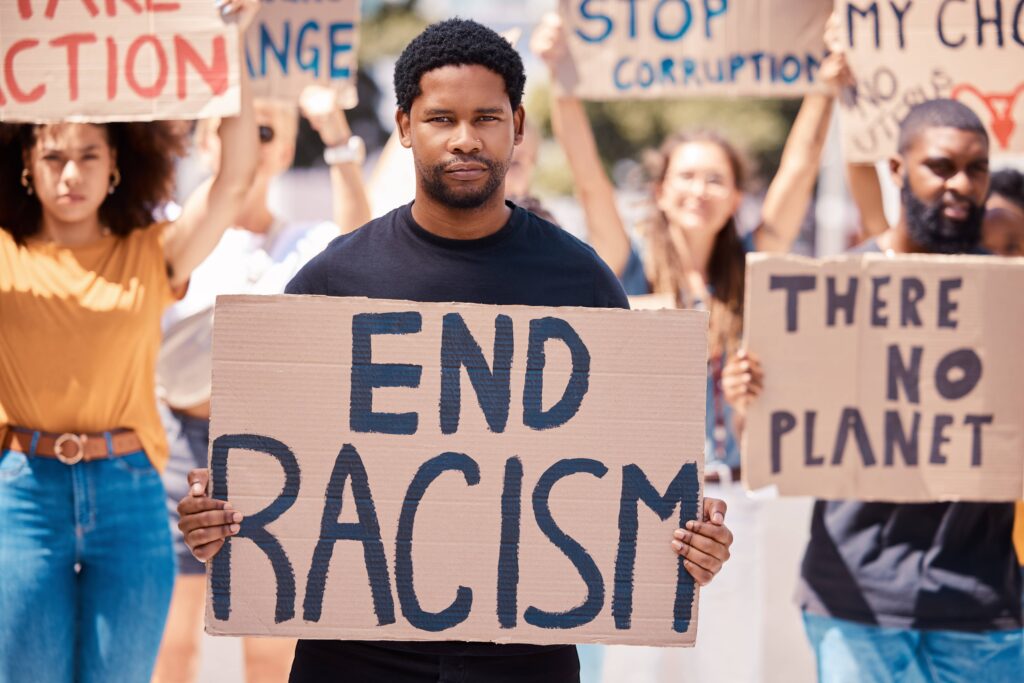
Important stages from this period:
- organized petitions against slavery and the slave trade
- political campaigns in Britain and the United States
- public writing and speeches about freedom and equal treatment
- stronger participation of Black abolitionists in the debate
- growing connection between racial equality and wider civil rights
After slavery ended, racial discrimination did not disappear. In the United States, the period from about 1890 to 1920 saw Jim Crow laws and stronger segregation. This showed that ending slavery was not the same as ending racism.
Science, International Debate and Race
During the nineteenth century, some scientists began to challenge racial theories that presented human groups as naturally unequal. Friedrich Tiedemann used brain measurements in 1836 to reject claims that Black people were intellectually inferior. Charles Darwin later wrote that human groups were closely similar in their overall structure.
Anthropologists such as Franz Boas also argued against fixed biological explanations for differences between human populations. Cultural explanations became more important in this discussion. Scientific debate therefore became another place where older racial ideas were questioned.
The racial equality proposal
In 1919, Japan proposed a racial equality clause for the Covenant of the League of Nations. The proposal received a majority of votes, but it was not accepted. The debate showed that racial equality had become an international political question, though major powers still resisted formal change.
The First Universal Races Congress had already met in London in 1911. Participants from several countries discussed race relations and possible ways to improve them. Such meetings made anti–racist ideas more international than before.
Civil Rights and Twentieth–Century Expansion
Opposition to racism became more visible again during the 1920s and 1930s. The Harlem Renaissance gave cultural and political space to Black writers and thinkers. Anthropologists also continued to argue for equality across races and cultures.
The 1960s became a major period in anti–racism history. Struggles against segregation in the United States, apartheid in South Africa, and antisemitism in France gave wider meaning to anti–racist politics. The American civil rights movement challenged Jim Crow laws and demanded voting rights and equal treatment.
Martin Luther King Jr. became one of the best–known figures of this period. His public work connected racial equality with nonviolent protest and democratic rights. Civil rights activism also showed how organized action could influence laws and public institutions.
A simple historical sequence can be seen this way:
- early religious criticism challenged colonial cruelty and slavery
- abolitionists organized against the slave trade and enslavement
- scientists and writers questioned ideas of biological racial hierarchy
- international debates brought racial equality into global politics
- civil rights movements pushed for legal and social change
- later movements continued discussion about structural and everyday racism
Anti–Racism in the Twenty–First Century
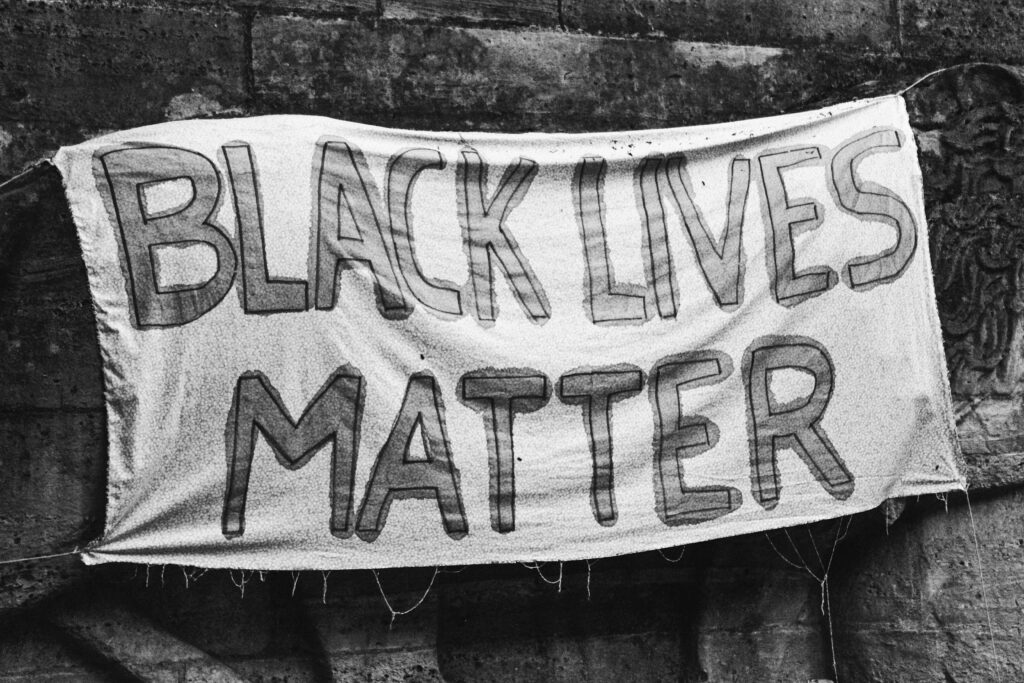 Anti–racism did not end after the civil rights era. In the twenty–first century, public movements again brought large attention to racial discrimination. Black Lives Matter became one of the most visible examples in the United States.
Modern anti–racism also includes discussion about politics, criminal justice reform, higher education, and workplaces. Academic attention has grown beside public organizing. This wider interest shows that opposition to racism can continue through research, institutions, public movements, and changes in law.
The history of anti–racism is not one straight line of progress. Changes came through religious protest, abolitionist action, scientific debate, cultural movements, legal campaigns, and mass demonstrations. Some gains were followed by resistance or new forms of discrimination. Across these different periods the main idea remained clear–racial difference should not decide a person’s basic rights, freedom, dignity, or place in society.