

A public day can look simple from outside, but its meaning often comes from a larger social story. Black Shirt Day began in Canada as a day for learning, remembrance, and conversation about racism, civil rights, and Black history. It also became connected with questions about school education, public symbols, and how communities can discuss discrimination in a way that includes different experiences.
What Black Shirt Day Means
Black Shirt Day started in Vancouver in 2021. The idea came after conversations with children showed a narrow picture of Black history in school. Much of what they were learning during Black History Month focused mainly on slavery. Organizers wanted a wider discussion that could also include civil rights, Black experiences in Canada, racial injustice, and the long work toward equal treatment.
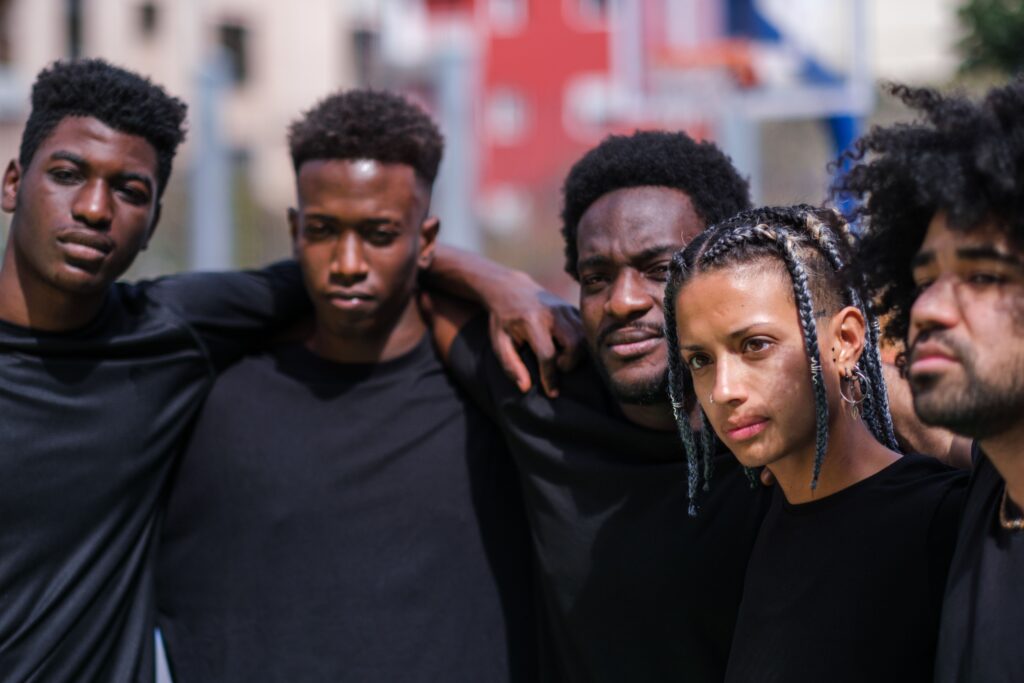
The day was connected with the birthday of Martin Luther King Jr. It had two main functions–remembrance and education. People were encouraged to think about the continuing struggle for civil and human rights among Black and racialized Canadians. Wearing a black shirt was used as a visible sign of participation and as a way to open conversations in schools, families, and communities.
Black Shirt Day was not created as only a clothing event. The shirt had meaning because many people could wear the same color and make the subject visible. The larger purpose stayed focused on learning and on speaking about racism when it appears.
Why education was central
School learning was one of the starting reasons for the day. The concern was that Black history could be presented too narrowly if students mostly heard about slavery. A fuller picture can include people, communities, civil rights work, achievements, and continuing questions around racism.
For this reason, Black Shirt Day connected remembrance with education. It also worked as preparation for Black History Month, when schools and families often spend more time discussing Black history and experience.

Main Goals of Black Shirt Day
The goals were connected with public awareness. They were not limited to one school, city, or single event. The day encouraged people to notice discrimination, talk about it, and understand that anti–racism needs behavior, not silence.
Main ideas connected with the day included:
- raising awareness about struggles faced by Black, Indigenous, and other racialized people in Canada and elsewhere
- speaking against racism when it appears in public or private life
- practicing active anti–racism instead of only saying that racism is wrong
- preparing students and communities for Black History Month
- thinking about future generations and the society they will live in
These goals explain why the event was linked with education as much as with remembrance. A black shirt could start a conversation, but the conversation itself was the more important part.
Black Shirt Day and Black Excellence Day
Black Shirt Day and Black Excellence Day are separate movements, even though their aims are close. Black Excellence Day began in 2022. Kamika Williams, who had been involved in the first Black Shirt Day, founded the later movement after discussion with community members.
A concern appeared around the words “black shirt” and the image of groups marching in black shirts. For some Holocaust survivors, that image could connect with traumatic historical memories. The newer name was chosen so the anti–racism message could continue while avoiding a symbol that might create pain for another community.
British Columbia officially proclaimed Black Excellence Day on January 14, 2022, and again on January 13, 2023. Its meaning stayed connected with civil rights, Black history, and recognition of Black and racialized Canadians.
Different name, related purpose
The clearest difference is in the public symbol. Black Shirt Day uses the black shirt as part of participation. Black Excellence Day does not make wearing a black shirt part of its celebration. It gives more attention to Black achievement, education, and the call for stronger Black history content in schools.
The two movements still meet in several important areas. Both oppose racism, encourage education, and support wider knowledge of Black history and experience in Canada.
How the Two Days Can Be Understood
The difference becomes easier when the history is placed in order:
- Black Shirt Day began in 2021 in Vancouver with education and remembrance as central ideas
- It used black clothing as a visible symbol of support and public conversation
- Community discussion later raised concern about historical associations connected with groups wearing black shirts
- Black Excellence Day was formed in 2022 with a different name and without the same clothing symbol
- Both movements continued to focus on anti–racism, civil rights, Black history, and education
Seeing this order helps avoid the idea that one day simply replaced the other. They developed from related work, but they are not exactly the same event.
Black Shirt Day in Schools and Communities
Schools are an important place for these discussions because young people often meet formal Black history education there. Black Shirt Day can create a clear moment for teachers, students, and families to talk about what is taught, what is missing, and why racism should be discussed openly.
The day can work outside classrooms. Families may use it for conversation, while communities can use it to reflect on civil rights and racial injustice. The value is not only in wearing a certain color. The deeper point is understanding why the day exists and what questions it brings forward.
Black Shirt Day remains connected with remembrance, education, and visible support against racism. Its relationship with Black Excellence Day also shows how public movements can change when communities raise concerns. Different names and symbols can exist while a shared aim remains–wider knowledge, active opposition to racism, and stronger understanding of Black history in Canada.